

Glass Beach
Fort Bragg, California
Cobalt blue glass fragments — the rarest color on the beach — visible among the more common green and amber pieces at the waterline where a retreating wave briefly saturates them to their full depth of color.
Look closer.
Fort Bragg, California
Cobalt blue glass fragments — the rarest color on the beach — visible among the more common green and amber pieces at the waterline where a retreating wave briefly saturates them to their full depth of color.
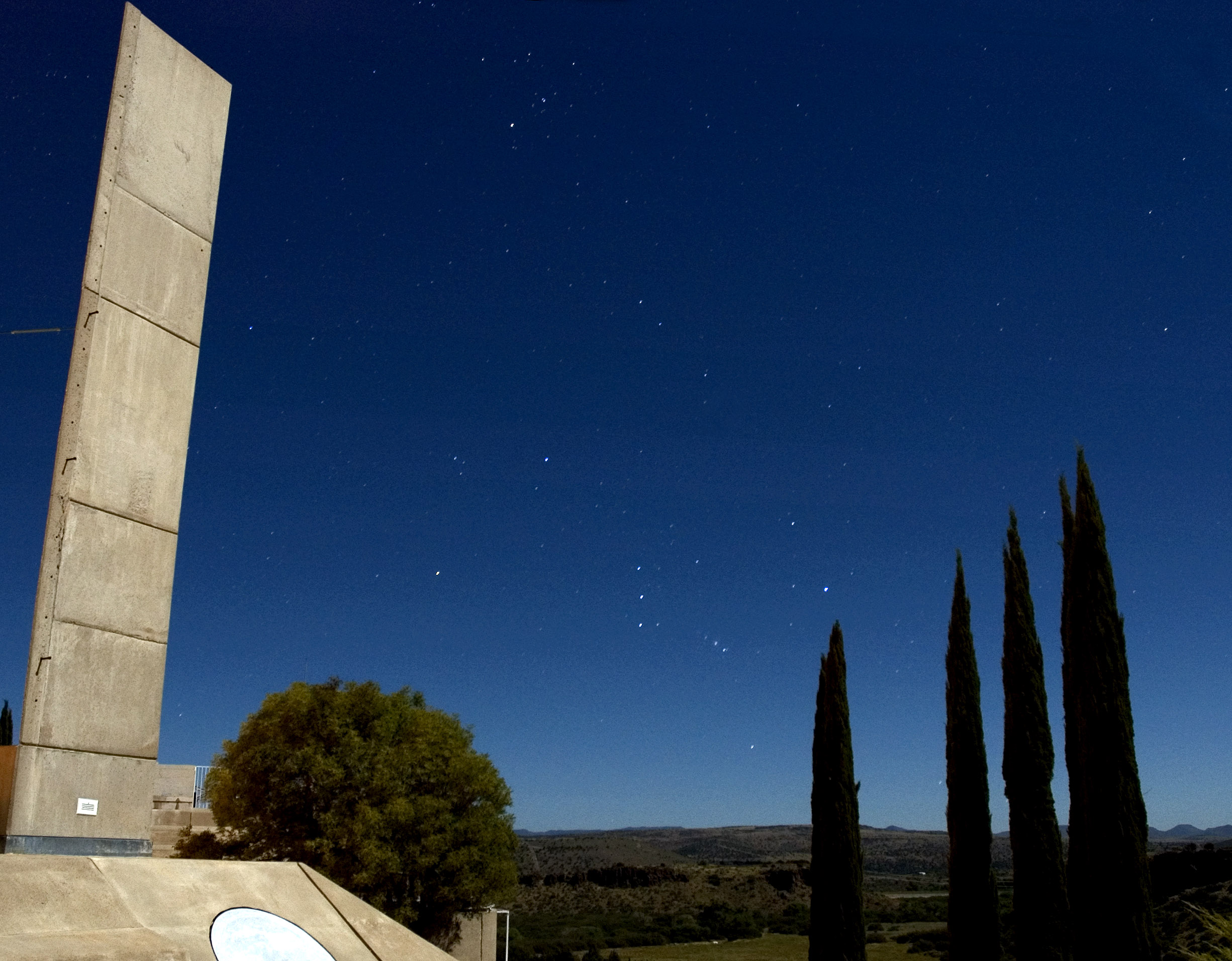
Mayer, Arizona
The bronze-casting apse — a massive quarter-sphere concrete shell open at its curved face — with the dark interior where the foundry equipment and ceramic bell molds sit in the shadow of the dome.
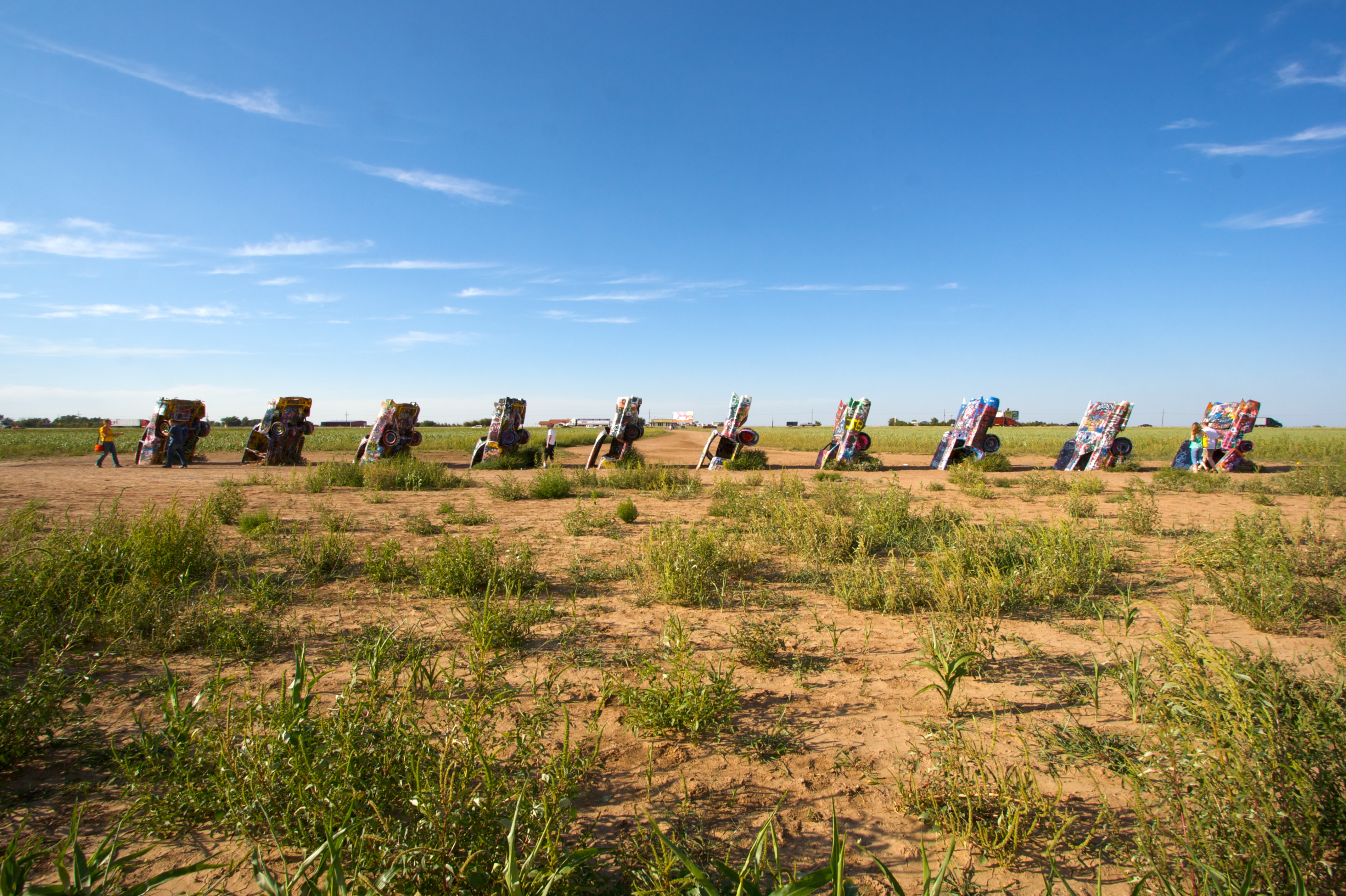
Amarillo, Texas
The tailfins visible on the rear ends of the buried cars, progressing from small and rounded on the older 1940s-era Cadillacs to the tall, sharp-edged blade fins of the late 1950s models — the chronological sequence of American automotive ambition, frozen mid-dive.
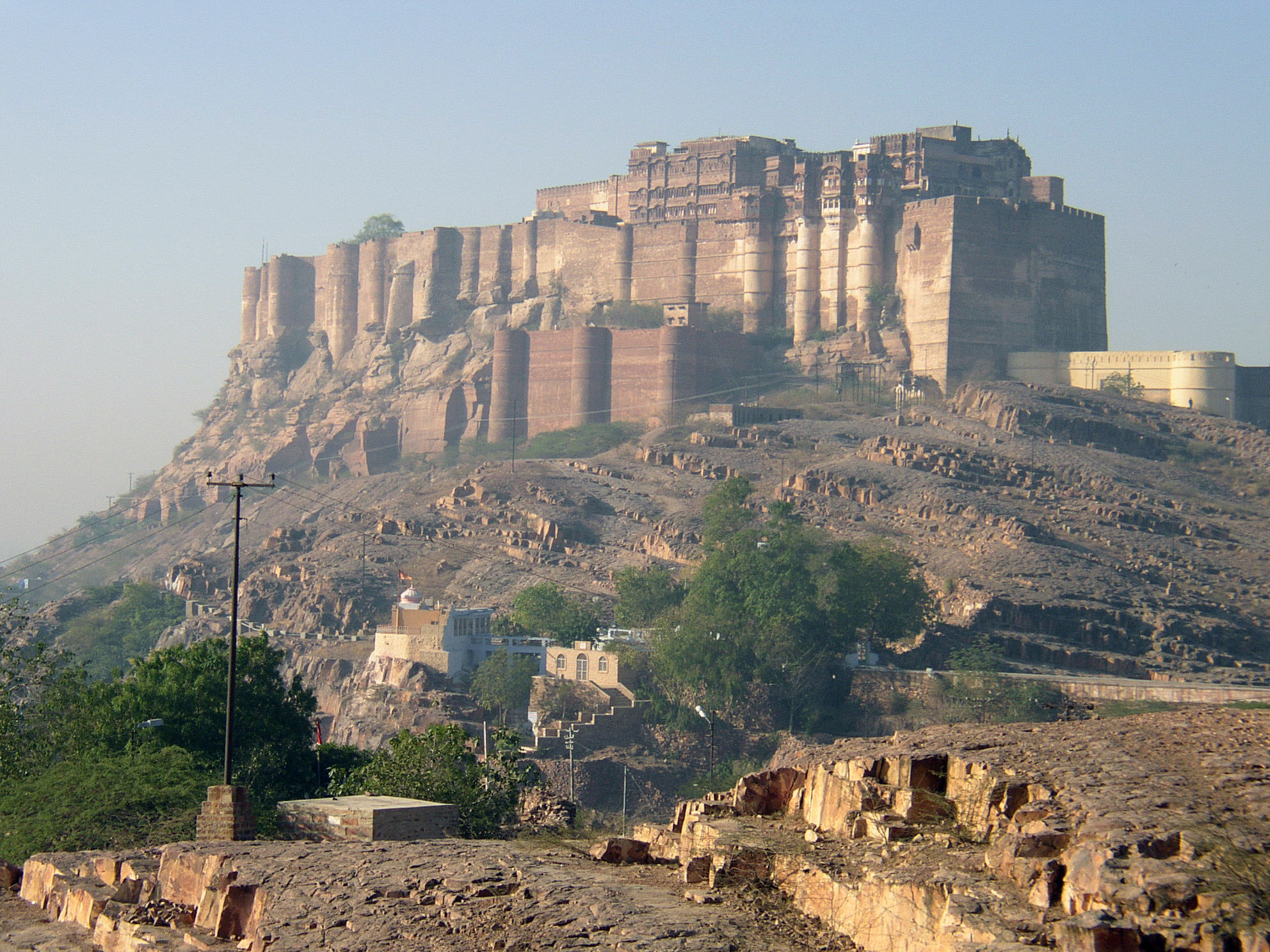
Jodhpur, India
The handprints pressed into the stone of Loha Pol — the Iron Gate — small ochre palms left by the royal satis, women of the court who walked into their husbands' funeral pyres, the last impression of a life pressed permanently into the fort's final entrance.

Istanbul, Turkey
The large gilded cage-like canopy structure at the center of the Chamber of the Sacred Relics (Hirka-i Saadet Dairesi), enclosing the reliquary cases beneath an elaborate gold-worked baldachin hung with intricate calligraphic panels.

San Luis Obispo, California
On the north-facing wall at the east end of the alley, high above the general gum line, a large self-portrait of artist Matthew Hoffman — titled "Projectbubble Gum" — rendered entirely in pressed chewing gum, depicting Hoffman mid-bubble.
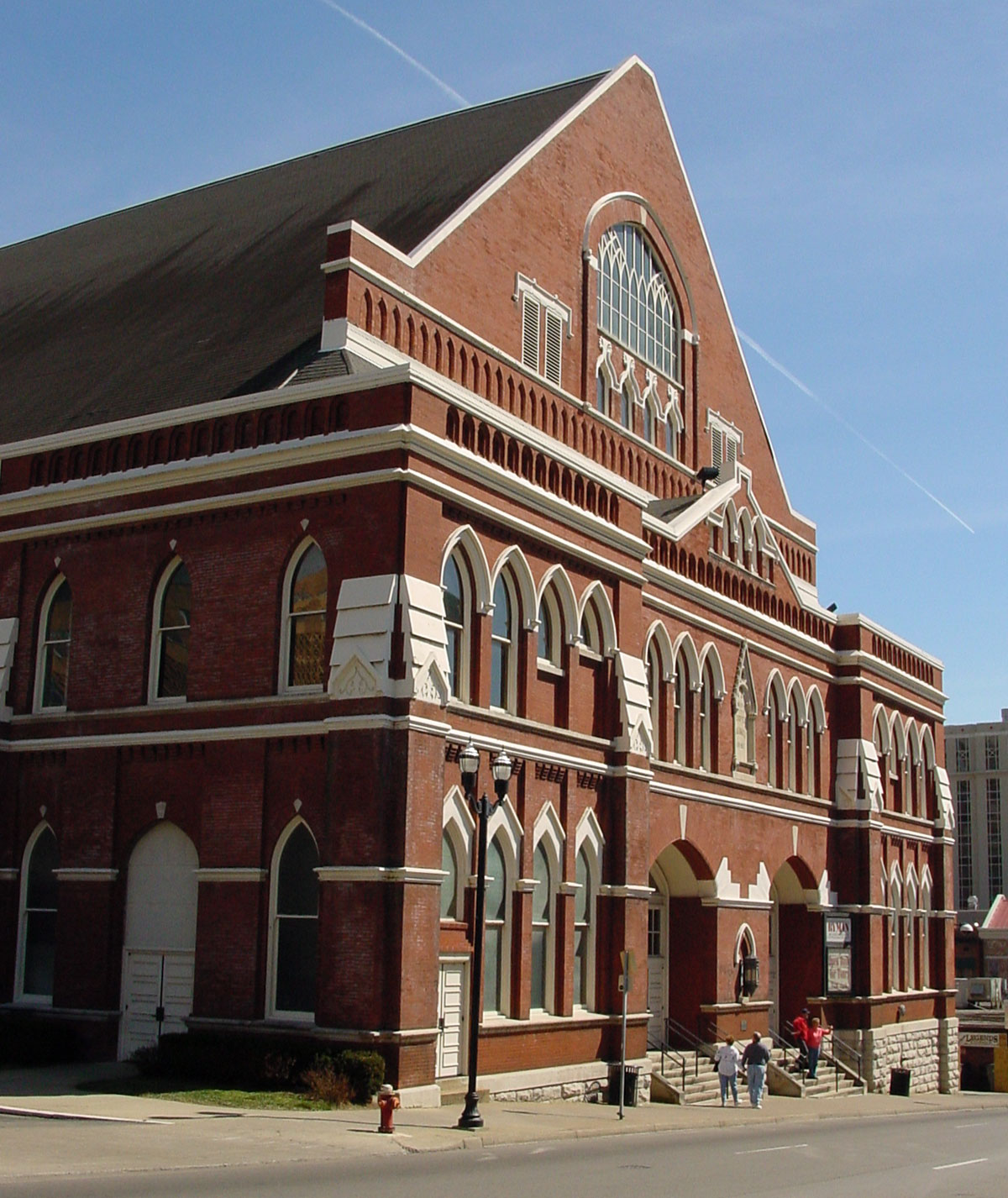
Nashville, Tennessee
The original wooden church pews that serve as audience seating — curved, dark-stained, and arranged in the close-set rows of a 19th-century tabernacle rather than a conventional performance venue.
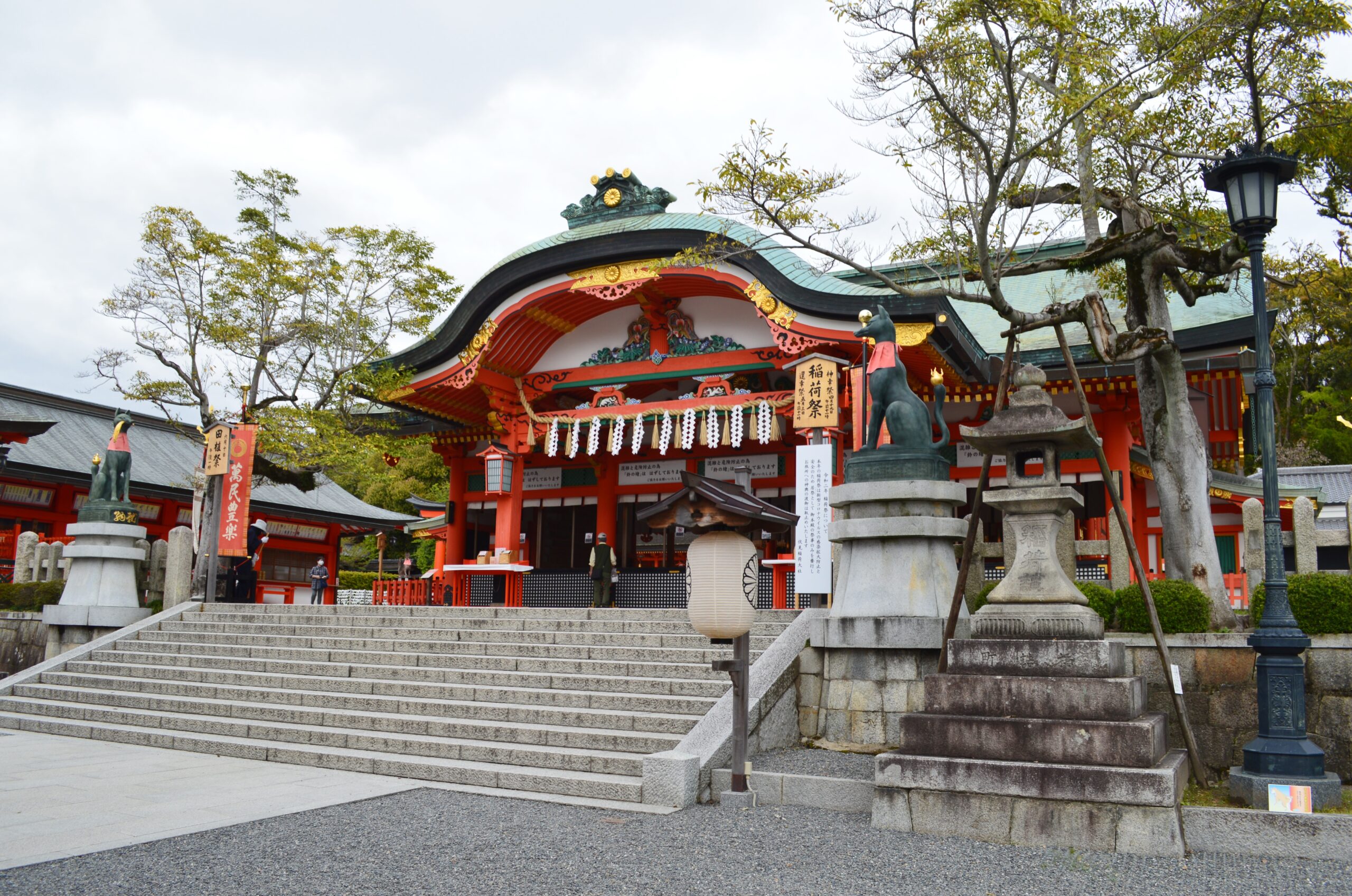
Kyoto, Japan
The reverse face of any torii gate along the upper trail, where black brushed characters record the name of the donor and the exact date of dedication — visible only when walking downhill through the tunnels.

Marfa, Texas
The rows of Donald Judd's 100 untitled works in mill aluminum — identical in outer dimension, radically different inside — visible through the long windows of the two converted artillery sheds, each piece catching a slightly different angle of the same West Texas light.

Gold Hill, Oregon
The House of Mystery itself — a century-old wood-frame building visibly canted off its foundation, its roofline and walls sitting at a clear angle to the surrounding trees and hillside.