
Shanghai tunnels
Portland, Oregon
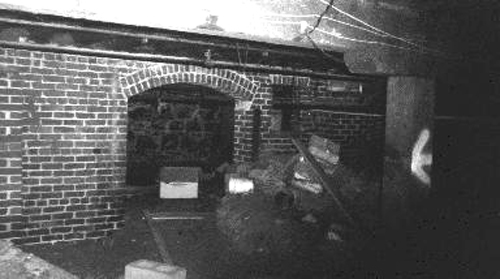
Story
The Shanghai tunnels have one of the best origin myths in American urban history: a network of underground passages beneath Portland's Old Town Chinatown, used by criminal operators to kidnap drunken men, drag them through the dark, and deliver them to waiting ships as involuntary crew. The story has powered ghost tours since the 1970s and made the tunnels one of Portland's most-visited underground attractions. It is almost certainly not true.
Portland historian Barney Blalock, in his book The Oregon Shanghaiers, traced the shanghaiing-via-tunnel legend to a cluster of apocryphal stories published in The Oregonian in 1962 — invented decades after the fact, then repeated until they calcified into accepted history. The tunnels themselves are real. They connected the basements of hotels and taverns along Northwest Couch, Davis, and Everett streets to the waterfront of the Willamette River, built in the late 19th century to move goods from docked ships into storage without navigating streetcar and train traffic above. That is a mundane and entirely sensible purpose.
What makes the tunnels genuinely strange is the gap between what they were — a logistics workaround for a busy port city — and what they became in the popular imagination: a Gothic underworld of trapdoors and press gangs. The vault lights embedded in the sidewalks above, small glass prisms set into iron frames, were the tunnels' original source of daylight. They still catch the sun. The myth outlasted the ships, the crime bosses, and the entire economic system that built the passages. That a freight corridor became folklore this potent is, in its way, more interesting than the legend.
What to Spot
The circular and rectangular purple-tinted glass vault lights pressed into the sidewalks along NW Couch Street — small prism-set iron frames, flush with the pavement, that once admitted daylight into the tunnel and storage spaces below.
Bonus Finds
- The cast-iron building facades along NW 1st and 2nd Avenues that date to the 1880s and 1890s — the ground-floor storefronts above the tunnels, many still carrying their original column profiles and decorative cornices.
- The Oregon Encyclopedia entry by Richard Engeman, 'Shanghaiing in Portland and the Shanghai Tunnels Myth,' available in print at the Oregon Historical Society and cited on tunnel tour materials — a rare case of official debunking embedded in the tourist infrastructure of the very myth it challenges.
- The Cascade Geographic Society tour entrance signage near the Old Town block, which frames the tunnels as a goods-movement system while still leaning into the shanghaiing legend — the tension between the two versions visible in a single interpretive panel.
Share your finds and tag us — @scavtopia.
Sightings
- Grimm (2011) — The Portland-set series references the Shanghai tunnels across multiple episodes, using the underground passages as a recurring story element rooted in the city's mythology.
Plan your visit
Scavtopia turns this place — and any place — into an adventure. Join the waitlist.
Photo: Unknown authorUnknown author / Public domain