
Mexico City, Mexico
Agustina — Barrera's named favorite doll, a deteriorating figure displayed inside the single-room hut where he slept, distinguished from the hundreds outside by her position of honor on a small dedicated shelf.
Florence, Italy
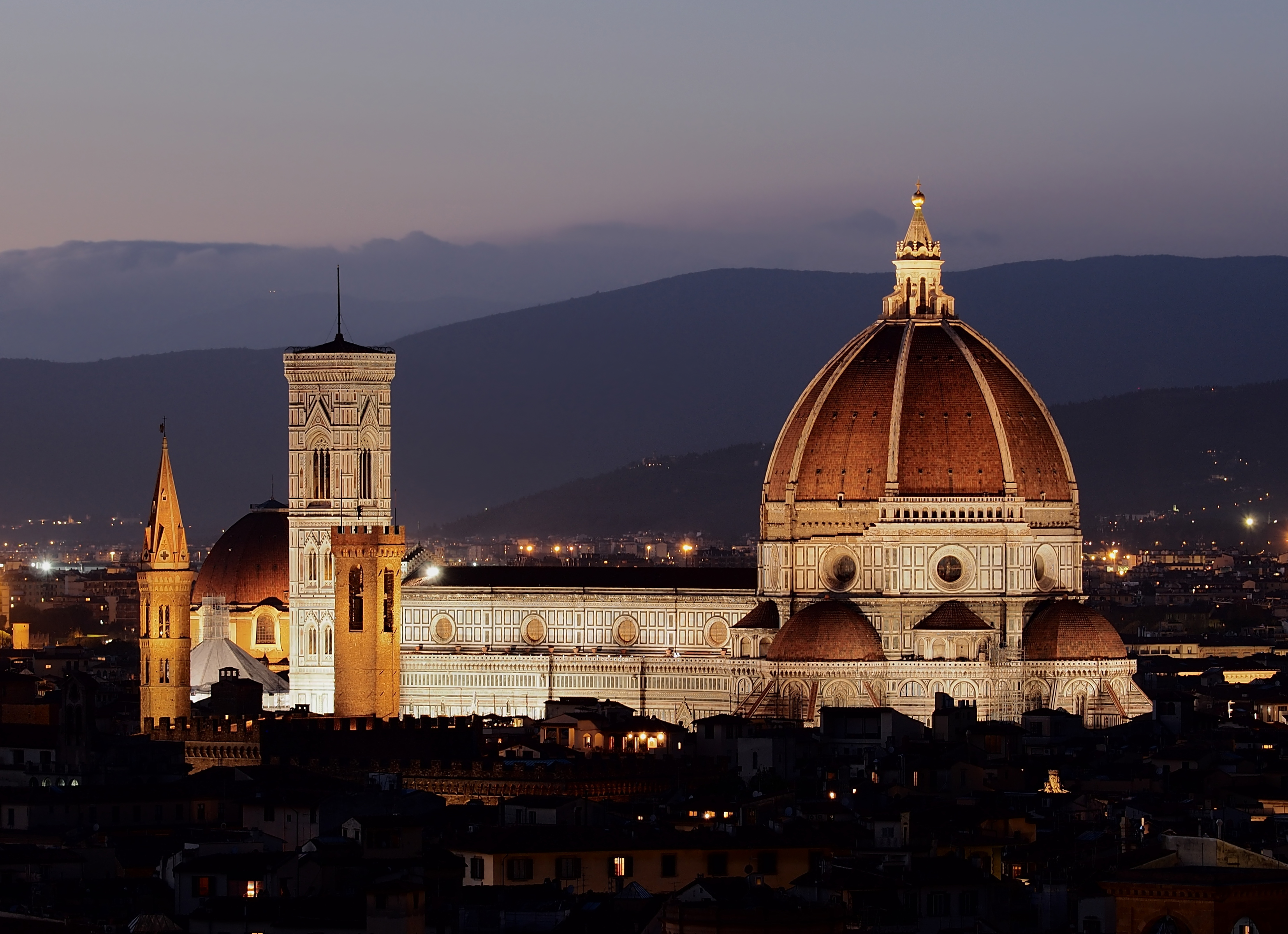
A thin bronze meridian line inlaid in the marble floor of the left nave, marked with graduated divisions, positioned to catch a disc of sunlight cast down from a small hole in the dome's lantern on the summer solstice.
Edinburgh, United Kingdom
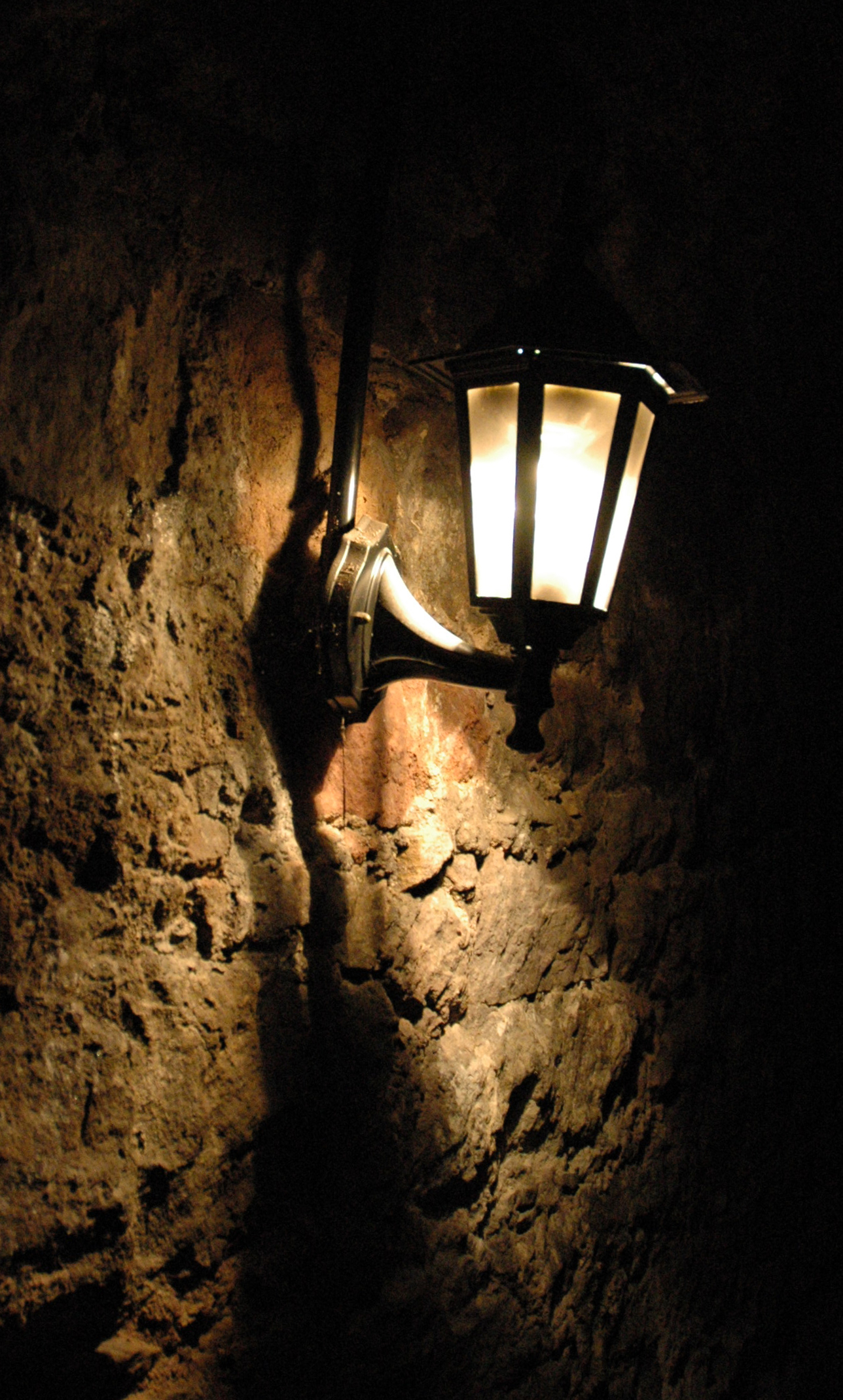
Original terracotta floor tiles still in situ on the floor of one of The Caves vaults — the surviving surface of Adam Square, demolished in 1785 and sealed underground until excavation uncovered it in the 1990s.

Chandigarh, India
The procession of human figures in the open amphitheater courtyard — dozens of terracotta-toned sculptures, each one individually modeled but visibly assembled from recycled bangles, ceramic shards, and broken pottery that texture their surfaces in irregular mosaic.

Sintra, Portugal
At the base of the Initiation Well, a large stone compass rose inlaid into the floor bears the red cross of the Order of Christ at its center, visible from the lowest landing of the spiral staircase.
Milan, Italy
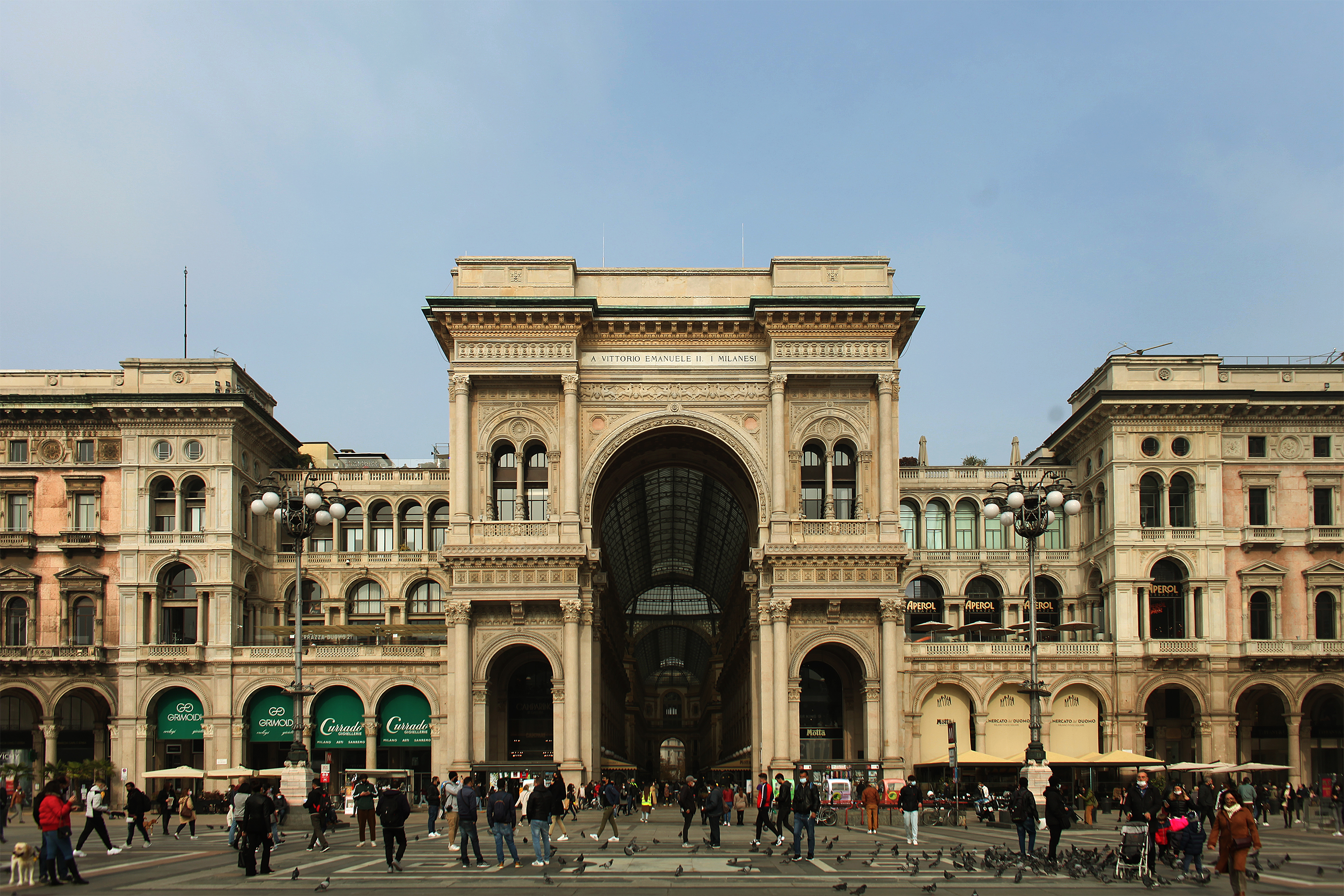
The worn crater in the Turin bull mosaic at the center of the octagonal floor — a shallow depression where the bull's genitals have been ground away by millions of heel-spins, repaired, and eroded again.

Wieliczka, Poland
The bare rock-salt walls throughout the mine passages — visibly dark grey and striated, with no resemblance to white table salt, the layered seams showing distinct tonal bands of green-grey, charcoal, and near-black where clay content varies.

Paris, France
Along the main ossuary corridor, a section of wall displays skulls arranged into the shape of a heart — an unmistakable geometric form set within the uniform stacking of femur bones, forming one of the rare symbolic compositions built directly into the structure of the walls.

Xilitla, Mexico
The Staircase to Heaven's twin spiral staircases — rising roughly 65 feet around columns cast to mimic orchid reproductive forms — terminate at an open platform with no door, no room, and no continuation: a grand architectural arrival into pure air.
Hauterives, France
The carved inscription on the facade recording Cheval's own accounting of the build: 10,000 days, 93,000 hours, 33 years of toil — chiseled into the stone in his own words, flanked by the dates 1879 and 1912.
