
Wieliczka, Poland
The bare rock-salt walls throughout the mine passages — visibly dark grey and striated, with no resemblance to white table salt, the layered seams showing distinct tonal bands of green-grey, charcoal, and near-black where clay content varies.

Paris, France
Along the main ossuary corridor, a section of wall displays skulls arranged into the shape of a heart — an unmistakable geometric form set within the uniform stacking of femur bones, forming one of the rare symbolic compositions built directly into the structure of the walls.

Xilitla, Mexico
The Staircase to Heaven's twin spiral staircases — rising roughly 65 feet around columns cast to mimic orchid reproductive forms — terminate at an open platform with no door, no room, and no continuation: a grand architectural arrival into pure air.
Hauterives, France
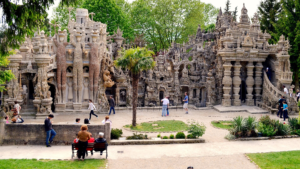
The carved inscription on the facade recording Cheval's own accounting of the build: 10,000 days, 93,000 hours, 33 years of toil — chiseled into the stone in his own words, flanked by the dates 1879 and 1912.

Jaipur, India
The shadow-line cast by the Samrat Yantra's 90-foot stone gnomon falls across a curved marble scale divided into hours, minutes, and seconds — a ruled arc wide enough that the shadow's edge is visibly moving if you watch it for a moment.

Kutná Hora, Czech Republic
František Rint's signature on the wall near the chapel entrance — his name spelled out in actual human bones, the woodcarver's mark on the most unusual commission of the 19th century.

Roslin, United Kingdom
In a high corner of the chapel interior, a carved stone face — traditionally identified as the master mason — looks directly toward the Apprentice Pillar, his expression readable as grief, rage, or something between.
Chicago
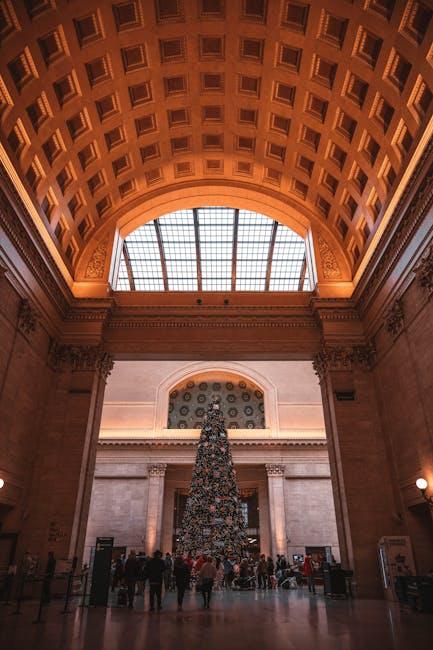
The Great Hall's barrel-vaulted ceiling carries a long central skylight flanked by rows of coffered panels, and at certain hours the light it casts throws perfectly clean rectangular shadows down the length of the columns — the geometry of the room made briefly visible on its own walls.
Philadelphia
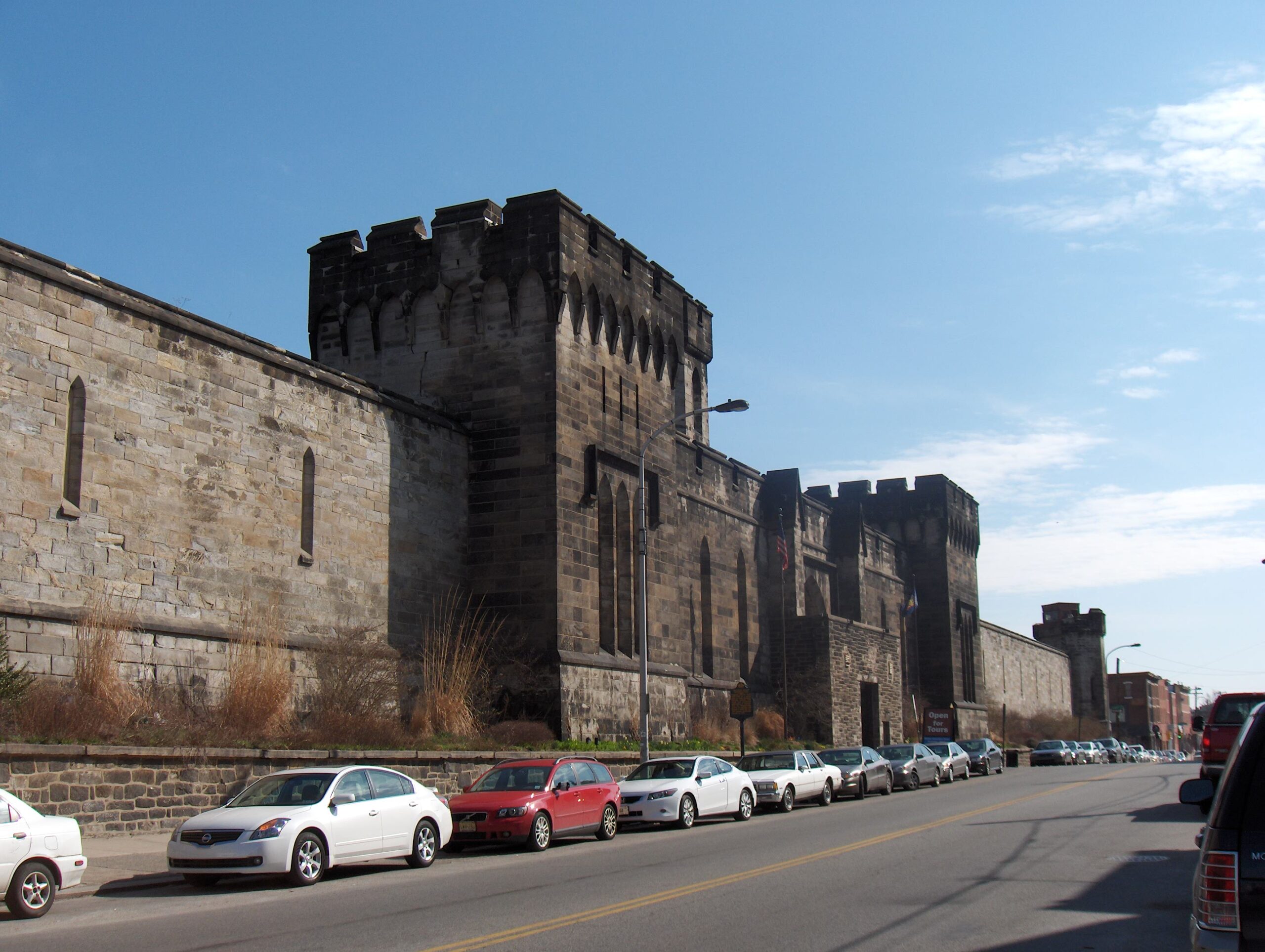
The small circular glass skylight set into the vaulted ceiling of an original cellblock — the "Eye of God" — still intact above the individual cells, casting a single column of daylight into the dim stone interior.
New York City
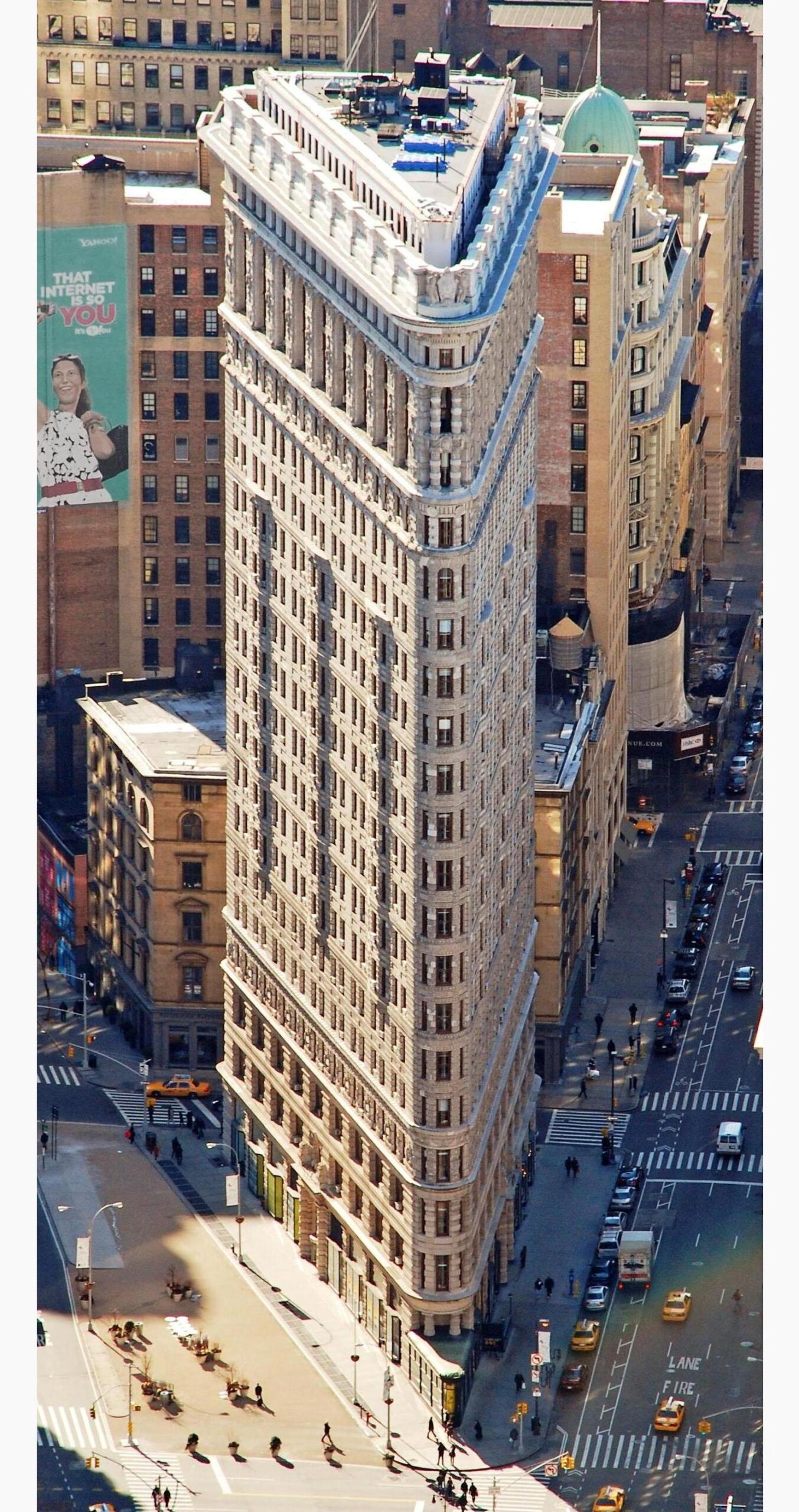
At the building's narrow northern apex, where the Fifth Avenue and Broadway facades meet, the glazed terracotta ornamental cladding — foliate panels, Renaissance pilasters, and cartouche details — continues uninterrupted around the rounded corner, maintaining full decorative density all the way to a point that, at street level, is barely wider than a doorframe.
