
Eastern State Penitentiary
Philadelphia
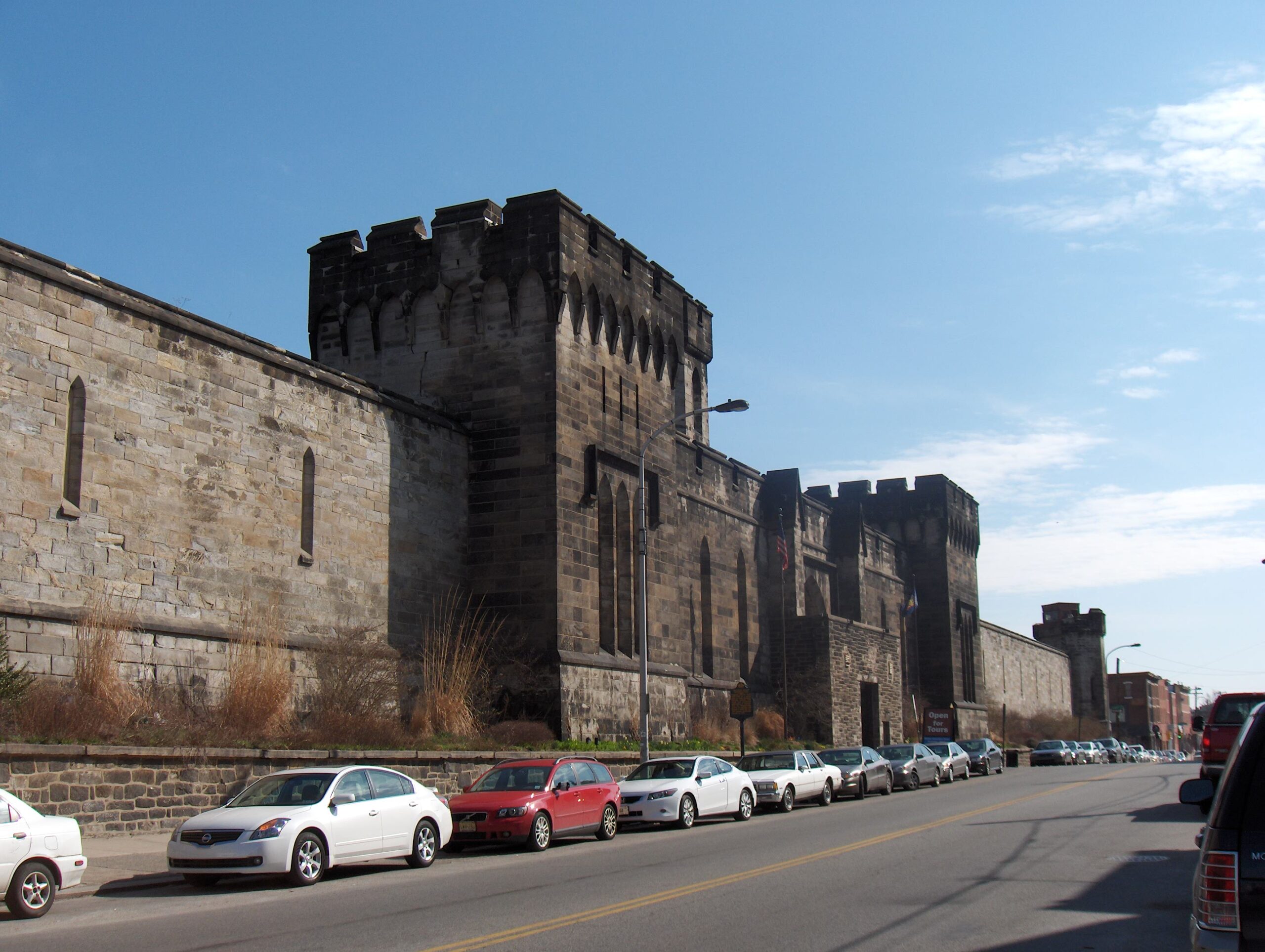
Story
Most people who visit Eastern State Penitentiary come for the ruin — the crumbling cellblocks, the gothic castellated exterior, the weight of 142 years of incarceration pressing through the stone. What they don't expect is that this place was, in 1829, an argument about the soul.
John Haviland designed the building and it opened on October 25, 1829, as the most expensive public structure the United States had ever built. The philosophy inside it was radical: not punishment through labor or beatings, but transformation through silence and solitude. The Pennsylvania system, as it was called, placed each prisoner in a single heated cell with running water, a flush toilet, and a small private exercise yard enclosed by walls high enough to prevent any glimpse of another human being. When inmates left their cells, guards wrapped hoods over their heads so they could not be recognized. The warden was legally required to visit every prisoner every day.
At the center of each cell, a small glass skylight cut through the vaulted ceiling. The designers called it the Eye of God — a deliberate symbol, suggesting that even in isolation, someone was watching. Not the warden. Something larger.
Charles Dickens visited in 1842 and left horrified, writing that the loneliness and silence wore men down in ways no flogging could. Alexis de Tocqueville came earlier and was fascinated. The tension between those two reactions — wonder and revulsion — never really resolved. By 1913, the solitary system had collapsed under overcrowding and Eastern State became a conventional congregate prison. It closed in 1971. When the Task Force halted demolition in 1988, a forest had grown up inside the cellblocks. Cats had moved in.
What Haviland built was meant to be a machine for moral reconstruction. Walking through it now, that ambition feels both noble and catastrophic — the kind of certainty that only looks like wisdom until it doesn't.
What to Spot
The small circular glass skylight set into the vaulted ceiling of an original cellblock — the "Eye of God" — still intact above the individual cells, casting a single column of daylight into the dim stone interior.
Bonus Finds
- Al Capone occupied Cell 1105 during his 1929 stay, and the cell has been preserved with period furnishings that reflect the preferential treatment he reportedly received — rugs, a lamp, and framed artwork that would have been unthinkable for ordinary inmates.
- Prison records from 1924 include a mug shot and assigned inmate number (C2559) for Pep, a Labrador mix allegedly sentenced to life by Pennsylvania Governor Gifford Pinchot — the circumstances remain genuinely disputed, with some accounts suggesting the dog was donated to boost inmate morale rather than convicted of anything.
- The wagon-wheel radial plan, designed so a single guard station at the hub could theoretically observe all seven cellblock corridors at once, is visible in its full geometry from the central rotunda — a layout that went on to influence more than 300 prisons worldwide.
- Cell blocks 14 and 15, hastily added at the end as overcrowding overwhelmed the original design, were built and designed by prisoners themselves — and the drop in craftsmanship compared to Haviland's original stonework is immediately legible in the walls.
Share your finds and tag us — @scavtopia.
Sightings
- 12 Monkeys (1995) — Terry Gilliam used the cellblocks as the future prison where Bruce Willis's character is held, the decayed vaulted corridors standing in for a dystopian detention facility
Plan your visit
Scavtopia turns this place — and any place — into an adventure. Join the waitlist.
Photo: Davidt8 / Public domain